
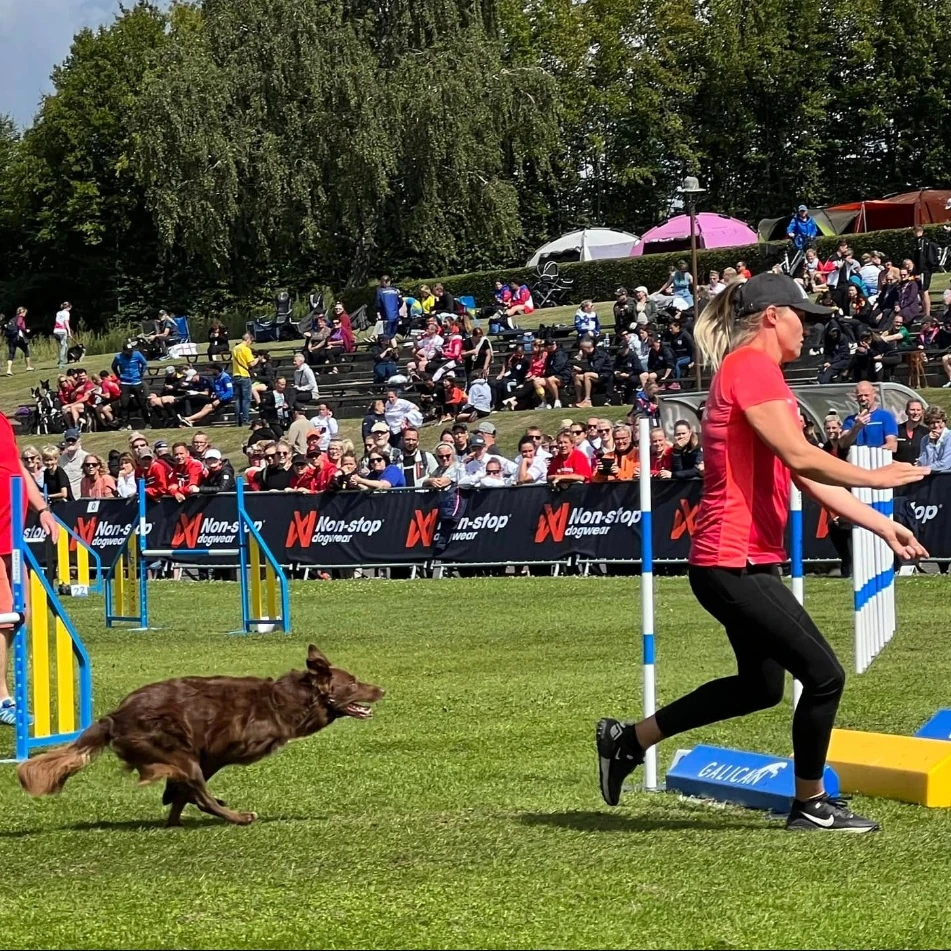
The pace is fast. The dog darts through the tunnel, takes the jumps, and finds the next obstacle – all the while, dog and handler must stay connected.
That’s one of the things I love about agility.
At first glance, agility might seem like a sport all about speed and hurdles, but it’s just as much about teamwork. You need to learn to read your dog, and your dog needs to understand your commands and signals. When that connection works, it almost feels like moving across the course as a single unit.
And the best part is, the joy isn’t only in competitions or the fastest runs. It’s equally found in training, when a skill you’ve practised for a long time finally comes together.
What is agility?
Agility is a dog sport where dog and handler must complete a course with various obstacles as quickly as possible and with the fewest, ideally zero, mistakes.
On the course, the dog might face jumps, tunnels, and weave poles as well as contact obstacles like the A-frame, see-saw, and dog walk. The contact obstacles have marked contact zones that the dog must touch while crossing to ensure safety.
The handler runs alongside, guiding the dog through movement, positioning, body language, and verbal commands.
This means the dog must not only be able to clear each obstacle but also understand where to go next.
This is exactly what makes agility so fun and challenging: you never stop learning.
Watching an experienced team run a course can look fast and effortless, but behind that is countless hours of training on the small details – and a partnership built over time.
How do you get started with agility?
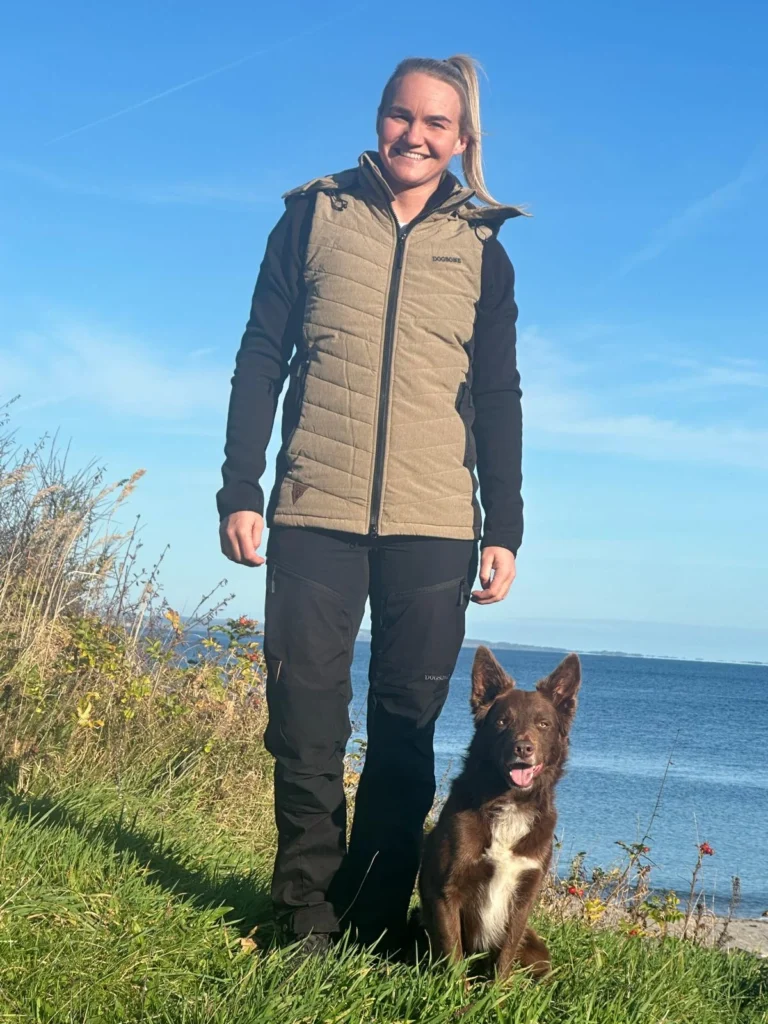
My best advice: Quality over quantity. Better to perfect three obstacles with a good reward than rush through twelve with mistakes. Dogs learn from what we succeed at – not from how many obstacles we get through.
You don’t need any prior experience, and your dog certainly doesn’t have to complete an entire agility course on their very first training session.
Find a place offering agility training with a skilled instructor and start off gently. This way, both you and your dog can safely learn the basic skills and the individual obstacles.
For me, it’s important that the dog enjoys it. Agility should be something we do together — not something the dog is forced through.
That’s why rewards mean a lot. For some dogs, the best reward is a treat. For others, it’s their favourite toy or a little celebration with their human. The key is to figure out what truly makes your dog happy and motivated.
If you’re new to the sport, don’t compare yourself too much to experienced teams. They too once stood at their first training, trying to figure out which way to run.
Take one thing at a time, enjoy the small progress, and remember that a good agility run starts long before you’re on the competition course.
“Agility should be something we do together — not something the dog is forced through.”
How do you maintain your agility skills — and improve?
Of course, you improve by training. But not necessarily just by training more.
One of the most important things I’ve learned is to be curious about the training. Why did it work? Why did it go wrong? Did I give the dog the right signal? Was I too late? Or was I perhaps asking for something the dog hasn’t quite mastered yet?
In agility, it’s very easy to blame the dog for mistakes. But often, the explanation lies with ourselves.
That’s why I focus a lot on the small details. It could be a particular turn, a standalone obstacle, the weave poles, ensuring contact zones on the contact obstacles, or my own positioning and timing on the course.
Short, focused training sessions can be far more valuable than continuing until both dog and handler are exhausted.
And remember, agility is a physically demanding sport. The dog is an athlete, and the training must respect that. Warm-ups, breaks, physical condition and recovery are all part of the sport. The goal isn’t just to have a fast dog — but a dog that enjoys the sport and feels good doing it.
For me, development isn’t just about shaving seconds off a run. It’s also about better understanding my dog and making our teamwork clearer and much stronger.
The 3 quick tips
1. What do you enjoy most about doing agility with your dog?
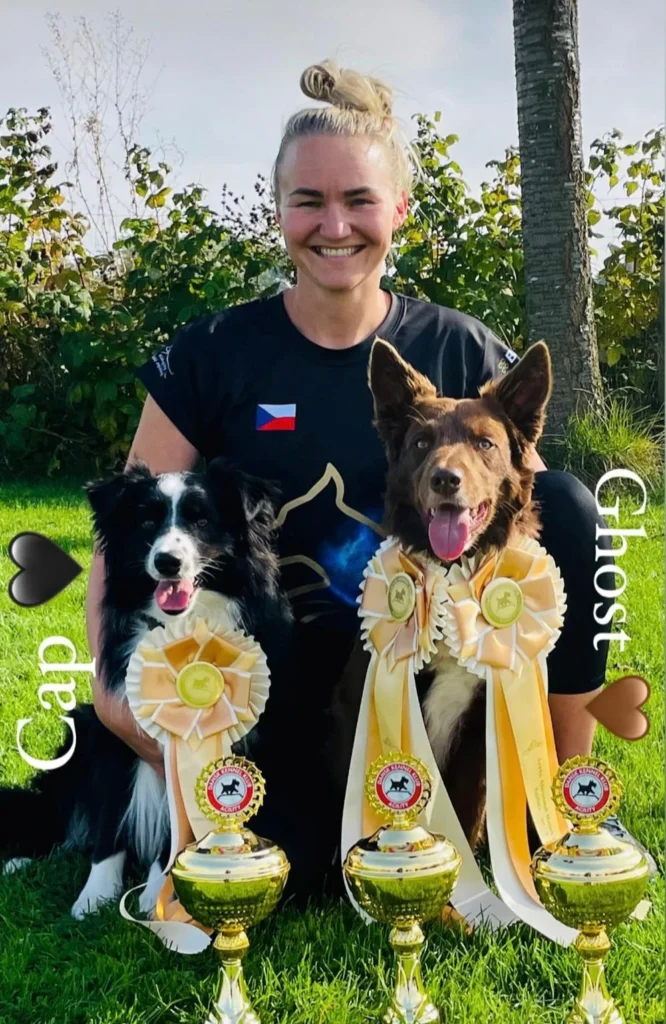
I love the teamwork. That feeling I get when my dog and I really connect on the course is absolutely amazing. Of course, I also love the speed and excitement, but the best part for me is feeling my dog’s joy and enthusiasm and knowing we’re tackling the challenge together.
2. What has been your best experience?
It’s actually hard for me to pick one single experience because I feel that it’s all part of what I love about agility. The training, the small and big competitions, and of course the major events like the Nordic Championships, European Open, and World Championships.
I’ve had so many great experiences with agility, and for me, the biggest moments aren’t necessarily just about placements and results. I especially remember the runs where everything comes together perfectly, and I finish feeling that my dog and I were truly a team. That’s the feeling I carry with me—whether it’s training, a small competition, or one of the big international events.
3. What keeps you going so that you continue practising agility and training with your dog?
I keep going because I never feel like I’ve completed agility. There’s always something new to learn and something my dogs and I can improve on together.
I love training with my dogs, developing our teamwork, and feeling how we grow stronger as a team. When I see my dogs excited to train and ready to go, that’s what fuels my motivation.
Heidi Simonsen
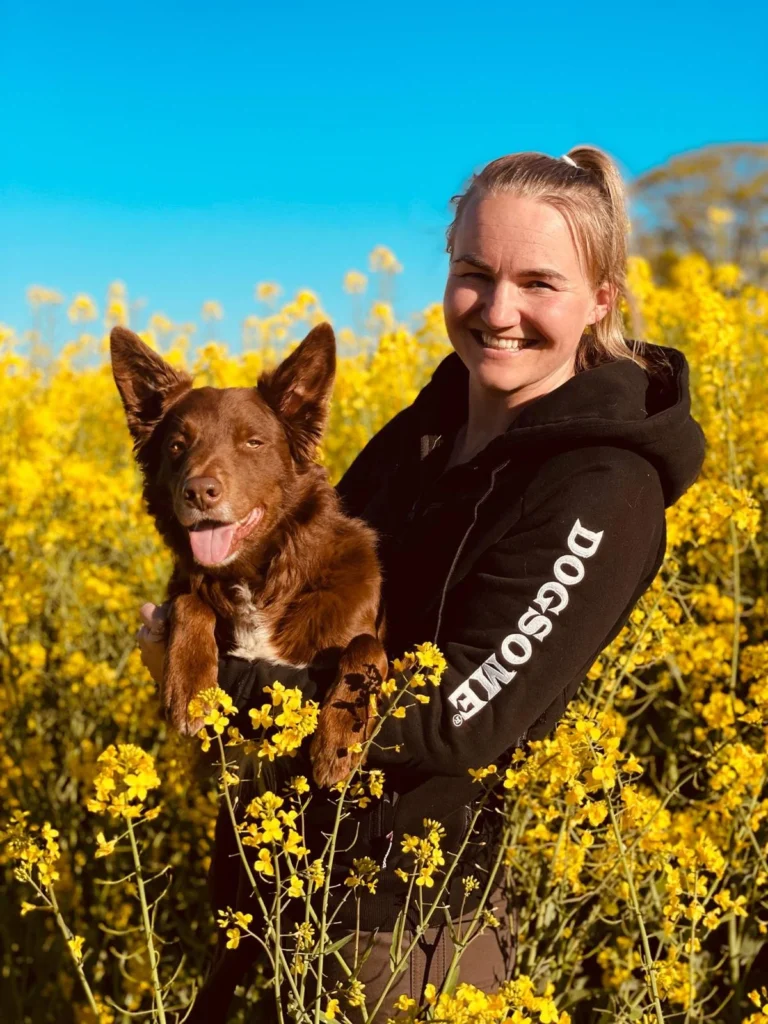
I’ve been involved in agility for 15 years and currently train with Ghost, who is 8, and Cap, who is 5. Over the years, agility has given me many amazing experiences—from training and competitions here at home to the Nordic Championships, European Open, and World Championships.
I’m also an agility instructor at DKK Vilhelmsborg in Aarhus, where I enjoy sharing my experience and passion for the sport and helping others develop their teamwork with their dogs.
For me, agility is primarily about the joy of the dogs, the training, and the strong partnership we build together.